

On March 1st, Google will implement its new, unified privacy policy, which will affect data Google has collected on you prior to March 1st as well as data it collects on you in the future. Earlier this week, we showed you how to delete your Google Web History in order to prevent Google from combining your Web History data with the data it has about you on its other products to provide you with personalized ads or suggestions across all of its products. You may also wish to delete your YouTube Viewing and Search History, which can reveal particularly sensitive information about you, including your location, interests, age, sexual orientation, religion, and health concerns.
Note that disabling Viewing and Search History in your YouTube account will not prevent Google from gathering and storing this information and using it for internal purposes. It also does not change the fact that any information gathered and stored by Google could be sought by law enforcement.
With Viewing and Search History enabled, Google will keep these records indefinitely; with it disabled, they will be partially anonymized after 18 months, and certain kinds of uses, including sending you customized search results, will be prevented. An individual concerned about privacy may also want to set up a secondary Google account for browsing and sharing YouTube videos. She could then download all of her existing YouTube videos to her computer, delete them from her primary Google profile, and then use a separate browser to upload them to a new secondary Google account. If you want to do more to reduce the records Google keeps, the advice in EFF's Six Tips to Protect Your Search Privacy white paper remains relevant.
The following steps will delete your viewing and search history on YouTube. If you have multiple YouTube accounts, you will have to complete these steps for each account.
1. Log in to your Google account.
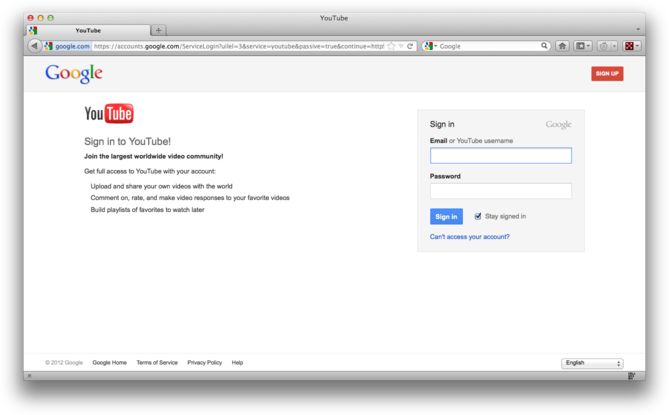
2. Go to https://www.youtube.com
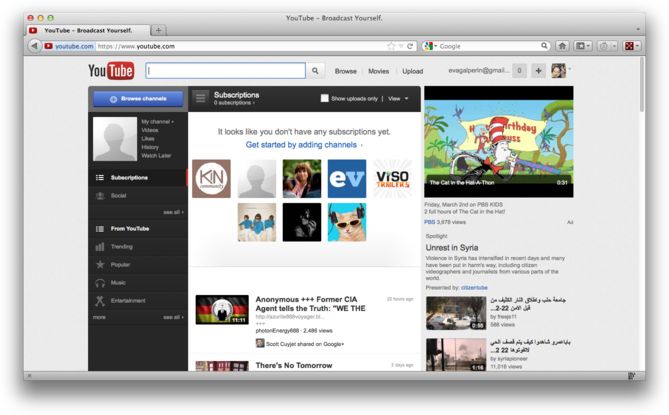
3. Click on your icon.
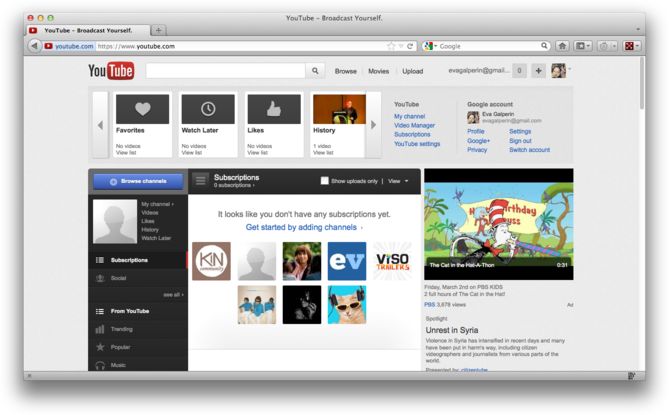
4. Click “Video Manager”
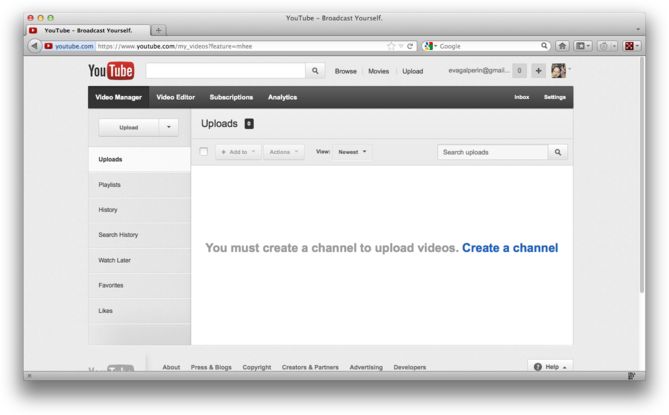
5. Click “History”
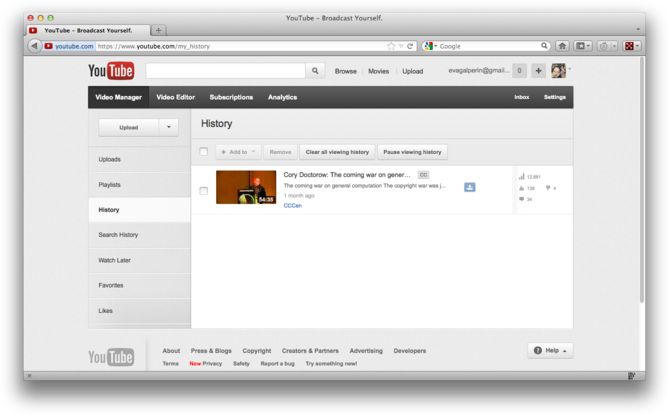
6. Click “Clear all viewing history.”
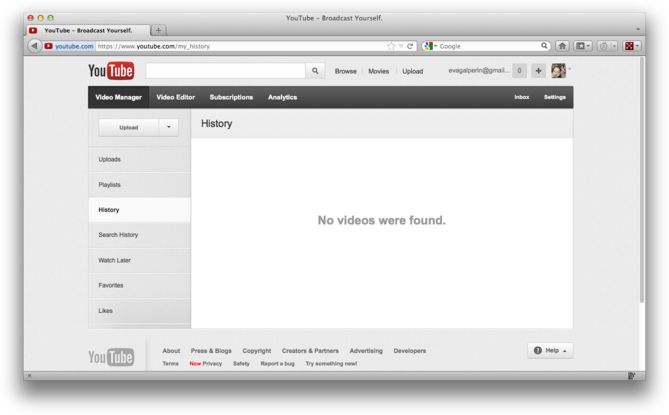
7. Click “Pause viewing history."
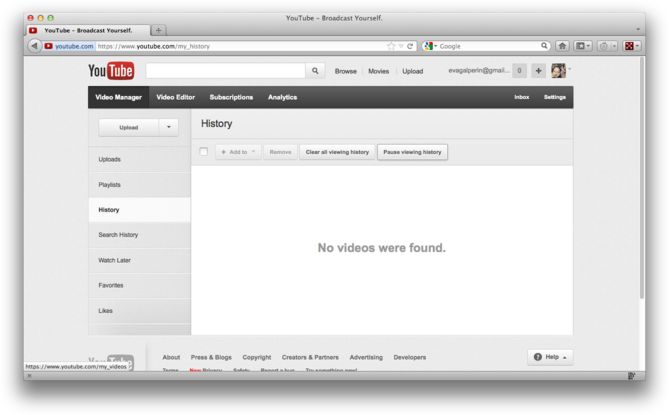
8. Click "Search History."
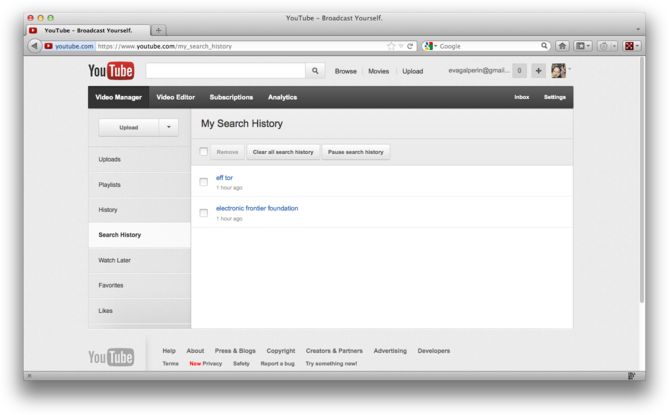
9. Click "Clear all search history."
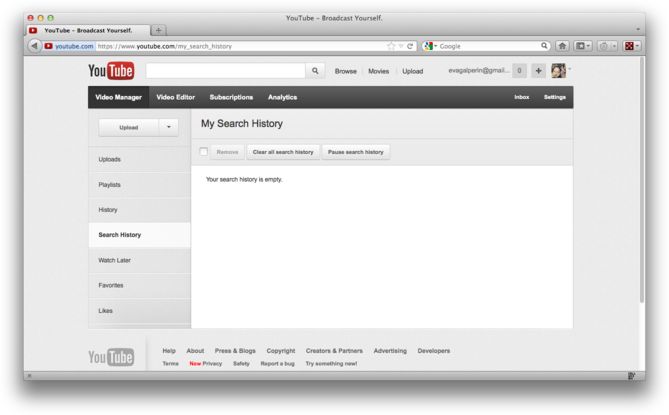
10. Click “Pause search history.”
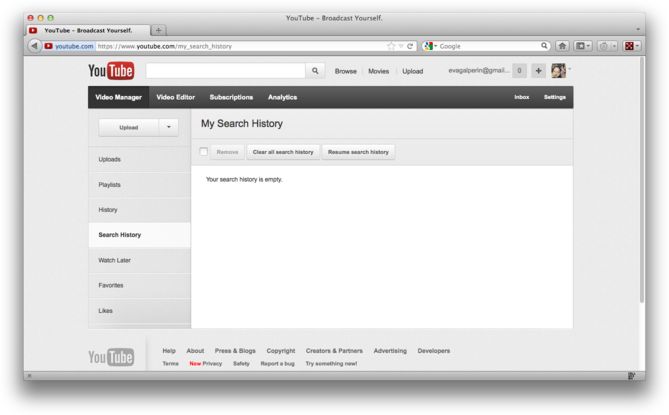
If you have multiple YouTube accounts, you will have to complete these steps for each account.
View the original article here
->>> Click Me - Special Price !!<<<-

[Product Description] [Specifications]

 In the UK? Click HERE
Ngoc Larabee : Bought Copyright Infringement as a xmas gift
for my dad. He loves it! Came quickly. I think it's very cool and may
end up buying for myself.
Linda Letscher: I bought this Copyright Infringement from this website last week. Up to this moment, I am happy with this guy.
Renetta Corson: I have been using this Copyright Infringement for 1 week now. Nice built quality.
Marcelino Kingman: I was skeptical about the high quality of Copyright Infringement in this cost range. taking many hours, I agree with previous reviewers.
Laverna Gauron: Everything is great. There is really nothing bad about Copyright Infringement .
Note that disabling Viewing and Search History in your YouTube account will not prevent Google from gathering and storing this information and using it for internal purposes. It also does not change the fact that any information gathered and stored by Google could be sought by law enforcement.
With Viewing and Search History enabled, Google will keep these records indefinitely; with it disabled, they will be partially anonymized after 18 months, and certain kinds of uses, including sending you customized search results, will be prevented. An individual concerned about privacy may also want to set up a secondary Google account for browsing and sharing YouTube videos. She could then download all of her existing YouTube videos to her computer, delete them from her primary Google profile, and then use a separate browser to upload them to a new secondary Google account. If you want to do more to reduce the records Google keeps, the advice in EFF's Six Tips to Protect Your Search Privacy white paper remains relevant.
The following steps will delete your viewing and search history on YouTube. If you have multiple YouTube accounts, you will have to complete these steps for each account.
1. Log in to your Google account.
2. Go to https://www.youtube.com
3. Click on your icon.
4. Click “Video Manager”
5. Click “History”
6. Click “Clear all viewing history.”
7. Click “Pause viewing history."
8. Click "Search History."
9. Click "Clear all search history."
10. Click “Pause search history.”
If you have multiple YouTube accounts, you will have to complete these steps for each account.
View the original article here
Copyright Infringement - What to Do If Someone Steals Your Content and/or If You are Falsely Accused of Stealing Someone's Content
Product By Copyright Infringement
Lowest Price - Hurry Up!!
1 Days, 1 Hours, 20 Minutes, 8 Seconds Left.
1 Days, 1 Hours, 20 Minutes, 8 Seconds Left.
->>> Click Me - Special Price !!<<<-
[Product Description] [Specifications]
In the UK? Click HERELinda Letscher: I bought this Copyright Infringement from this website last week. Up to this moment, I am happy with this guy.
Renetta Corson: I have been using this Copyright Infringement for 1 week now. Nice built quality.
Marcelino Kingman: I was skeptical about the high quality of Copyright Infringement in this cost range. taking many hours, I agree with previous reviewers.
Laverna Gauron: Everything is great. There is really nothing bad about Copyright Infringement .
